
Functional Medicine for Perimenopause & Menopause
Functional Medicine Treatment for Perimenopause in San Diego, CA
Women experience many profound physical changes throughout their lives. The transition into perimenopause and menopause is one of the most significant, yet it often leaves women feeling overwhelmed and misunderstood. Hormonal fluctuations can trigger a cascade of unexpected shifts that disrupt your daily routine, impact your energy levels, and affect your overall well-being. Many women are told that hot flashes, weight gain, and mood swings are simply a normal part of aging. You might be offered a one-size-fits-all prescription and told to push through the discomfort. However, this transition need not be a period of suffering. As you read below, we’ll explore functional medicine treatment for perimenopause and discover how Advanced Functional Medicine in San Diego, CA, can help you thrive during this new chapter of life.
Understanding Perimenopause & Menopause
Before seeking treatment, it is helpful to understand exactly what is happening inside your body. Perimenopause and menopause are two distinct phases of the female reproductive life cycle. Perimenopause is the transitional period leading up to menopause. It can begin several years before your periods stop, often starting when a woman is in her early to mid-40s. During this time, the ovaries gradually begin to produce less estrogen. This hormonal fluctuation is often erratic, leading to unpredictable menstrual cycles and the onset of various symptoms. Menopause officially marks the end of a woman’s reproductive years. It is diagnosed after you have gone 12 consecutive months without a menstrual period. At this point, your ovaries have stopped releasing eggs, and your estrogen and progesterone levels drop significantly.
Common Symptoms During Perimenopause & Menopause
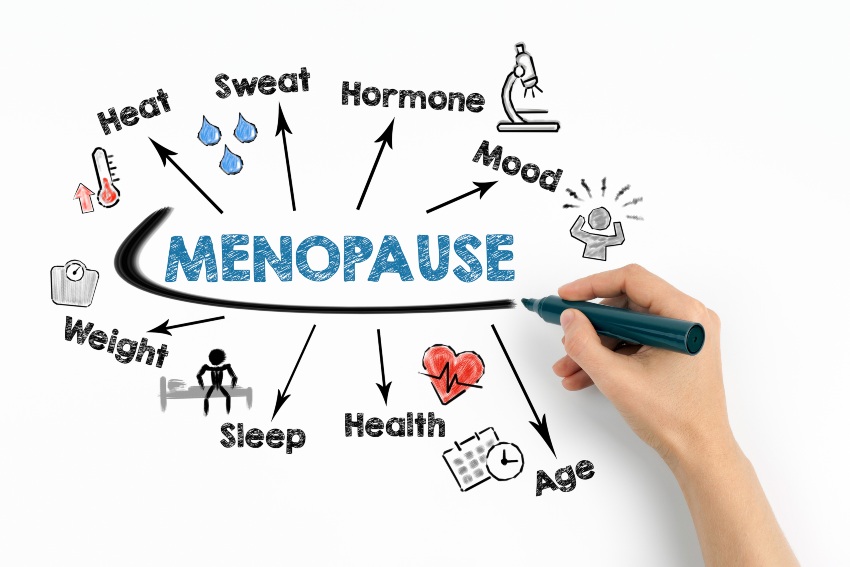
The hormonal fluctuations experienced during these phases can manifest in a wide range of ways, as hormone receptors are distributed throughout the entire body, affecting nearly every organ system. During perimenopause, women often encounter irregular periods, alongside mood swings, increased anxiety, sleep disturbances, and unexplained weight gain. Cognitive shifts, such as brain fog and difficulty concentrating, are also common. As the transition into menopause completes, these symptoms can intensify and are often joined by frequent hot flashes, night sweats, and vaginal dryness.
How Functional Medicine Approaches These Life Stages
Standard medical care often focuses on suppressing symptoms as quickly as possible. Functional medicine takes a different path. It is a science-based, patient-centered discipline that looks at the body as an interconnected web rather than a collection of isolated organs. Functional medicine perimenopause care involves looking beyond the drop in estrogen and progesterone. Practitioners investigate how your thyroid, adrenal glands, gut microbiome, and environmental exposures are influencing your hormonal balance. This comprehensive view allows for a highly personalized treatment plan tailored to your unique biochemistry.
Addressing the Root Causes Behind Menopause Symptoms
To achieve meaningful relief, we must look at the foundational systems that support hormone production and metabolism. Here is a closer look at the root causes behind some of your symptoms:
- Gut Health and Estrogen Metabolism: Your gut microbiome plays a critical role in regulating circulating estrogen levels. A specific group of gut bacteria, known as the estrobolome, metabolizes and eliminates excess estrogen. If your gut flora is imbalanced, estrogen can be reabsorbed into the bloodstream, worsening hormonal symptoms.
- Adrenal Function and Stress: During menopause, the ovaries decrease their hormone production, and the adrenal glands are supposed to help pick up the slack by producing small amounts of sex hormones. However, if you are experiencing chronic stress, your adrenal glands prioritize producing cortisol over sex hormones. This “cortisol steal” can severely exacerbate your symptoms.
- Thyroid Interconnections: Thyroid dysfunction frequently mimics or worsens menopause symptoms. Fatigue, weight gain, and mood changes could be related to an underactive thyroid. Functional medicine evaluates comprehensive thyroid panels to ensure your thyroid supports, rather than hinders, your menopausal transition.
Functional Medicine Treatment Strategies
Effective menopause treatment requires a multifaceted strategy. Once the root causes are identified through comprehensive lab testing, your practitioner will design a customized protocol. One critical aspect to consider is hormone therapy and perimenopause. Advanced Functional Medicine evaluates whether bioidentical hormone replacement therapy (BHRT) is appropriate for your specific situation. BHRT uses hormones that are chemically identical to those your body naturally produces. When prescribed and monitored carefully alongside comprehensive lab testing, BHRT can safely alleviate hot flashes, protect bone density, and improve mood. Treatment also heavily relies on targeted botanical and nutraceutical support. High-quality supplements, such as adaptogenic herbs (such as ashwagandha or maca), can support adrenal function, while specific vitamins and minerals help optimize liver detoxification pathways for healthy hormone clearance.
Optimizing Your Diet
Focus on a nutrient-dense, anti-inflammatory diet. Incorporate plenty of cruciferous vegetables, such as broccoli and Brussels sprouts, which support the liver in metabolizing estrogen. Healthy fats from avocados, nuts, and wild-caught fish provide the building blocks for hormone production. Additionally, prioritizing adequate protein intake helps stabilize blood sugar levels, which is crucial for preventing mood swings and managing weight.
Stress Management and Sleep
Managing stress is non-negotiable during this transition. High cortisol levels disrupt your sleep and amplify hot flashes. Incorporate daily stress-reduction techniques such as deep breathing exercises, gentle yoga, or regular nature walks. Prioritizing sleep hygiene—like keeping your bedroom cool and minimizing screen time before bed—can significantly improve your energy and cognitive function.
Long‑Term Health Planning During Menopause
Menopause is just the beginning of a new stage of life that requires proactive health management. The decline in estrogen affects long-term health markers, particularly those related to your bones and heart. Functional medicine emphasizes preventative care. Your practitioner will work with you to support cardiovascular and bone health through various exercise and nutrition protocols.
Embrace Your Next Chapter With Confidence
You do not have to accept exhaustion, weight gain, and discomfort as your new normal. By looking closely at your diet, stress levels, gut health, and hormonal pathways, you can restore balance to your body. If you are ready to take control of your health and find a personalized menopause treatment that actually works, we are here to help. Contact us today to schedule your evaluation and start your journey toward optimal health.
FAQs
Navigating the transition into menopause can feel overwhelming, as the hormonal shifts often lead to a cascade of unexpected physical and emotional changes. By adopting a comprehensive, functional perspective, it is possible to identify the root causes of these symptoms and implement targeted strategies for lasting relief. The following frequently asked questions provide clarity on how personalized protocols can help you reclaim your vitality and thrive during this significant life stage.
What Is the Difference Between Functional Medicine & Conventional Care?
Conventional care often focuses on symptom management using standard prescriptions like synthetic hormones or antidepressants. Functional medicine perimenopause care investigates the root causes of your symptoms—such as gut health, thyroid function, and nutritional deficiencies—to create a personalized plan that restores overall systemic balance.
Can A Perimenopause Diet Really Make a Difference in My Symptoms?
Yes. A targeted perimenopause diet that balances blood sugar, reduces inflammation, and supports liver detoxification can drastically reduce hot flashes, mood swings, and weight gain. Foods rich in phytoestrogens, healthy fats, and adequate protein provide the necessary building blocks for hormone regulation.
Is Hormone Therapy Safe During Perimenopause?
Hormone therapy and perimenopause can be navigated safely when using a personalized approach. Functional medicine practitioners often utilize comprehensive testing to determine if bioidentical hormone replacement therapy is right for you, ensuring it is prescribed at the correct dosage to match your body’s specific needs.