
Functional IBS Doctors in San Diego
If you are looking for an IBS doctor in San Diego, you may already know how frustrating it feels to live with unpredictable gut symptoms that come and go without a clear explanation. IBS, or irritable bowel syndrome, is a syndrome, which means it is a collection of symptoms rather than a single root cause. That distinction matters, because our job as functional providers is to help pinpoint what is actually driving your gut issues so care can be more personalized and effective.

Understanding IBS and Why Root Cause Care Matters
IBS can affect digestion, comfort, energy, mood, and daily routines in ways that are difficult to ignore. Many people are told to manage symptoms, but symptom control alone may not answer why the symptoms started in the first place. An IBS doctor in San Diego who uses a functional medicine approach looks deeper at the whole picture, including gut function, immune balance, diet, stress, and environmental factors.
Because IBS is not one condition with one cause, two people can have very different drivers even if they share similar symptoms. This is why a personalized evaluation is so important. At Advanced Functional Medicine, the goal is to understand your unique story and create a plan that supports lasting digestive improvement rather than temporary relief alone.

12 Common Symptoms Associated with IBS
IBS symptoms can look different from person to person, and they may shift over time. Some people experience primarily constipation, some primarily diarrhea, and others cycle between the two. A thoughtful IBS doctor in San Diego will listen carefully to the full symptom pattern because these details often provide useful clues about what is happening underneath.
- Abdominal bloating
- Gas or excessive flatulence
- Abdominal pain or cramping
- Loose stools
- Constipation
- Alternating constipation and diarrhea
- Urgency to have a bowel movement
- Feeling of incomplete evacuation
- Mucus in the stool
- Nausea
- Food-related symptom flares
- Fatigue or low energy associated with digestive distress
Not everyone with IBS has all 12 of these symptoms, and some symptoms may be more disruptive than others. That is one reason a symptom list alone does not tell the whole story. A comprehensive evaluation helps identify patterns that may point toward specific triggers, imbalances, or contributing factors.

6 Common Drivers of IBS
Because IBS is multifactorial, it often develops from more than one underlying issue. A skilled IBS doctor in San Diego will look at multiple possible drivers instead of assuming the same explanation fits everyone. Some of the most common contributors include the following.
When the intestinal lining becomes more permeable than it should be, the gut may be more reactive to food particles, microbes, and other stressors. This can contribute to bloating, discomfort, and immune activation. Supporting gut barrier integrity is often an important part of functional IBS care.
Certain foods may trigger symptoms even when they are otherwise considered healthy. Common triggers can include gluten, dairy, high-FODMAP foods, or other individual sensitivities. Identifying and addressing these reactions can make a meaningful difference in symptom management.
The immune system and the gut are closely connected. If immune signaling is off balance, the digestive tract may become more inflamed or reactive, which can worsen IBS symptoms. A functional evaluation may explore this connection in more detail.
The gut contains a complex community of bacteria and other organisms that influence digestion and overall health. When this balance is disrupted, symptoms such as gas, bloating, stool changes, and discomfort may become more common. Restoring balance can take time and often requires a strategic plan.
The gut and brain communicate constantly, and chronic stress can influence bowel function, pain sensitivity, and digestion. Many people notice that symptoms worsen during busy, anxious, or emotionally demanding periods. Supporting the nervous system is often just as important as supporting the digestive tract.
Exposure to toxins, poor air quality, heavy metals, or other environmental stressors may add strain to the body and contribute to inflammation or impaired healing. Functional doctors look at these factors alongside diet and lifestyle to understand the broader picture. This broader lens is often what makes the approach more complete and individualized.

Why Healing the Gut Takes Time
Restoring gut health takes time, and there is no quick fix that works for everyone. The digestive system reflects years of inputs, including diet, stress, sleep, medications, infections, and environmental exposures. Because of that, a thoughtful plan from an IBS doctor in San Diego usually focuses on steady progress rather than overnight transformation.
Patients often do best when they understand that healing is a process. You may need to remove triggers, support digestion, calm inflammation, and rebuild resilience in stages. The benefit of this approach is that it addresses the underlying issues more thoroughly and can support more durable improvement over time.
Frequently Asked Questions About Functional IBS Care
Yes, functional medicine may help IBS by identifying root contributors rather than only focusing on symptom suppression. A functional approach often looks at food triggers, gut barrier health, microbiome balance, stress, and inflammation. This can create a more individualized and supportive care plan.
There is usually not just one reason. IBS can develop from many factors, including food sensitivities, infections, antibiotic use, chronic stress, immune imbalance, leaky gut, and other lifestyle or environmental influences. A thorough evaluation can help clarify which factors may be most relevant in your case.
Medication can sometimes help reduce symptoms, but it may not address the underlying drivers of IBS. If the root causes are still present, symptoms may continue or return. Functional care aims to identify those drivers so the gut has a better chance to heal.
Testing can be helpful, but the right approach depends on your history and symptoms. Some patients benefit from stool testing, food sensitivity assessment, or other functional labs. An IBS doctor in San Diego can help determine whether testing would add useful information.
Diet changes are common, but they should be personalized rather than overly restrictive. Some people improve with targeted elimination of certain foods, while others need a broader gut support plan. The goal is to make changes that are practical and sustainable.
Healing timelines vary depending on the causes, severity, and duration of symptoms. Some people notice changes within weeks, while others need more time and support. A good plan focuses on gradual, meaningful progress rather than rushing the process.
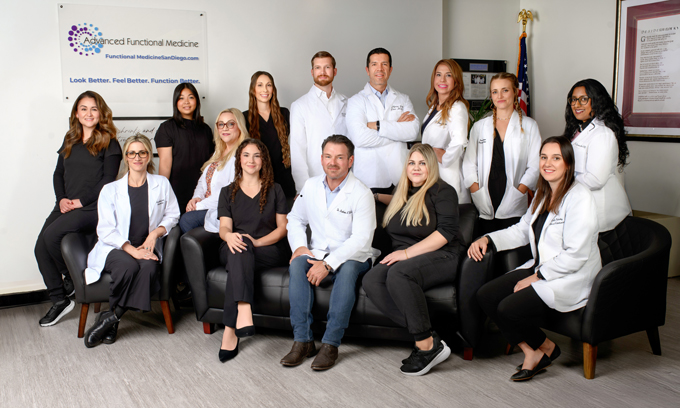
Get Started with Our Functional IBS Doctors in San Diego
Whether you have been dealing with bloating, pain, bowel changes, or food reactions for years, our team is committed to helping you understand your symptoms and move toward better digestive health. If you are searching for an IBS doctor in San Diego who looks at the whole picture, we invite you to get started with Advanced Functional Medicine today. A more informed and personalized path to gut healing can make all the difference.