
Hashimoto’s Thyroiditis in San Diego
When thyroid symptoms start to affect your energy, mood, metabolism, and daily life, it can feel frustrating to be told that everything is “normal” or that you simply need to wait and see. At Advanced Functional Medicine in San Diego, our functional medicine thyroid team takes a deeper look at Hashimoto’s thyroiditis, an autoimmune condition that is one of the most common causes of thyroid dysfunction. We work with patients who want thoughtful, personalized care from providers who understand how the thyroid interacts with hormones, digestion, immune function, stress, and inflammation.
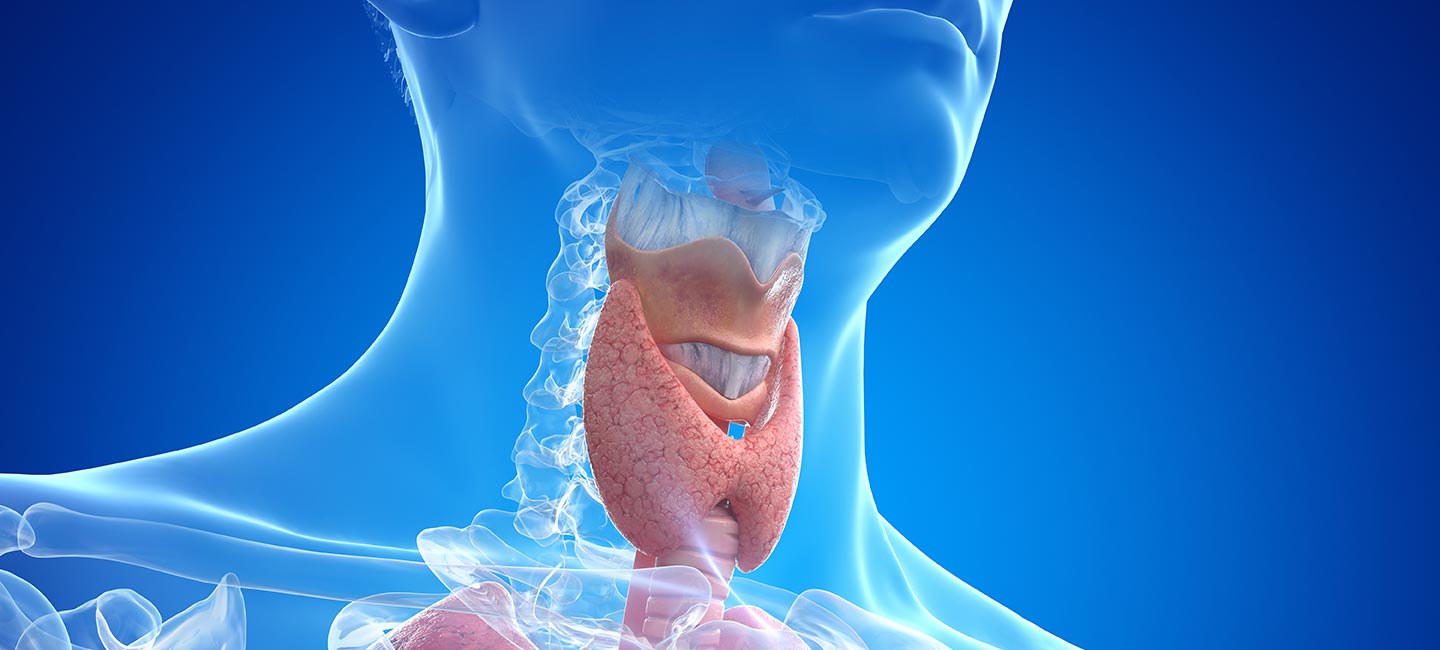
Why So Many People Struggle With Thyroid Issues
Thyroid concerns are common, and Hashimoto’s thyroiditis is often found in people who have spent years dealing with vague or overlapping symptoms. The thyroid is a small gland, but it has a wide reach throughout the body. It helps regulate metabolism, body temperature, heart rate, mood, and energy production, which means even subtle changes can have a noticeable impact on day-to-day life.
There are several reasons thyroid issues are so widespread. Modern life places a constant burden on the body through chronic stress, poor sleep, nutrient depletion, blood sugar swings, environmental exposures, and inflammatory diets. In addition, many people are living with undiagnosed autoimmunity for years before getting a clear answer. Because symptoms can develop gradually, it is easy to dismiss them as aging, burnout, or stress until they become harder to ignore.
Common signs that may be associated with thyroid imbalance
- Fatigue that does not improve with rest
- Brain fog or trouble concentrating
- Weight changes or difficulty maintaining a healthy weight
- Feeling cold more often than others
- Hair thinning or brittle hair
- Constipation or slower digestion
- Dry skin, low mood, or reduced motivation
These symptoms are not unique to Hashimoto’s thyroiditis, which is why a careful, comprehensive evaluation matters. At our San Diego clinic, we look at the bigger picture so patients can better understand what may be driving their symptoms and what support may be most helpful.

What Makes Hashimoto’s Thyroiditis Different
Hashimoto’s thyroiditis is an autoimmune condition where the immune system mistakenly targets the thyroid gland. Over time, this immune activity can interfere with the gland’s ability to produce thyroid hormones efficiently. In some people, thyroid function changes slowly. In others, symptoms may fluctuate and feel unpredictable, especially during periods of stress or inflammation.
The autoimmune feature of Hashimoto’s is important because it changes how the condition is approached. Rather than focusing only on thyroid hormone numbers, functional medicine looks at the broader immune and metabolic environment. That includes identifying contributors such as gut imbalances, nutrient deficiencies, blood sugar instability, environmental triggers, and stress load. This more complete approach creates a better foundation for long-term thyroid support.
Autoimmune features often considered in Hashimoto’s care
- Presence of thyroid antibodies
- Immune system dysregulation
- Inflammatory patterns in the body
- Fluctuating symptoms that may come and go
- Connections to other autoimmune tendencies
Because the immune system is involved, the goal is not only symptom management but also addressing factors that may contribute to ongoing immune activation. This is one reason many patients seek out top providers in functional medicine who can spend the time needed to evaluate the full picture.

Signs and Symptoms That Can Worsen Hashimoto’s
Many people notice that Hashimoto’s symptoms worsen during certain seasons or after specific stressors. This pattern is not random. Since the thyroid, immune system, and stress response are closely connected, the body can become more vulnerable when support systems are stretched. Understanding triggers can help patients make more informed decisions about lifestyle, nutrition, and treatment.
Common triggers that may worsen Hashimoto’s symptoms include ongoing stress, poor sleep, blood sugar fluctuations, infections, nutrient deficiencies, and inflammation from food sensitivities or digestive concerns. Some people are also sensitive to changes in environmental exposures, hormonal shifts, or periods of overtraining and under-recovery. Even when these factors do not cause Hashimoto’s on their own, they can contribute to symptom flare-ups and make recovery feel slower.
Potential aggravating factors
- Chronic stress or emotional overwhelm
- Inadequate sleep or inconsistent sleep schedules
- Dietary patterns that lead to inflammation or blood sugar swings
- Unresolved gut issues
- Low iron, selenium, vitamin D, or other nutrient gaps
- Hormonal transitions, including postpartum changes and menopause
At Advanced Functional Medicine, we consider how these patterns may be affecting your thyroid and immune health. A personalized plan can help reduce common stressors on the body and support steadier symptoms over time. While every patient is different, many people appreciate having a team that understands how to investigate these contributing factors with care and attention.

How Functional Medicine Supports Thyroid Restoration
One of the most frustrating parts of thyroid care is when symptoms continue even after standard lab work has been reviewed. Functional medicine aims to go beyond a one-size-fits-all approach by exploring why the thyroid is struggling in the first place. Our providers in San Diego use a detailed, patient-centered process to identify possible contributors and create a plan tailored to your needs.
Depending on your history and goals, thyroid care may include a combination of advanced lab testing, nutrition guidance, lifestyle changes, and supportive therapies that focus on immune balance and overall resilience. We may also consider digestive health, adrenal or stress physiology, and hormone interactions when appropriate. The process is collaborative, practical, and designed to help you feel more understood.
Areas functional medicine may evaluate in Hashimoto’s care
- Thyroid hormone levels and antibody markers
- Inflammation and immune patterns
- Digestive health and gut integrity
- Nutrient status, especially iron, zinc, selenium, and vitamin D
- Stress physiology and sleep quality
- Blood sugar balance and metabolic health
The relief of finally restoring thyroid function is significant. When thyroid support is more personalized, many patients report that they feel more like themselves again, with better energy, steadier mood, and fewer day-to-day disruptions. While results vary, a well-structured plan makes the path forward feel more manageable and less overwhelming.

Get Started With Our Functional Medicine Thyroid Team Today
If you are living with Hashimoto’s thyroiditis, you do not have to navigate it alone. The right care can help you better understand your symptoms, uncover possible triggers, and take meaningful steps toward restoring thyroid function and improving quality of life. At Advanced Functional Medicine in San Diego, we are here to support you with a personalized and compassionate approach.
FAQs
Thyroid issue symptoms can vary significantly depending on whether your thyroid is underactive (hypothyroidism) or overactive (hyperthyroidism). Many people struggle with thyroid problems for years before receiving a proper diagnosis because symptoms often develop gradually and can mimic other health conditions. Common hypothyroidism symptoms include:
- Persistent fatigue and low energy levels
- Unexplained weight gain or difficulty losing weight
- Hair loss or thinning hair
- Dry skin and brittle nails
- Feeling cold frequently
- Constipation
- Depression or mood changes
- Memory problems and brain fog
- Heavy or irregular menstrual periods
Yes, both hypothyroidism and hyperthyroidism can result in significant hair thinning and loss. Thyroid hormones play a crucial role in regulating the growth cycle of hair follicles. When thyroid function is impaired, it can disrupt this cycle, leading to hair shedding or a decrease in new hair growth. Symptoms of hair loss due to thyroid issues often present as general thinning across the scalp rather than isolated bald patches.
Hyperthyroidism is commonly associated with elevated blood pressure because the condition increases heart rate and cardiac output, leading to higher pressure levels in the arteries. Proper management of thyroid dysfunction, through treatments that normalize hormone levels, is key to mitigating these effects and protecting cardiovascular health.
Multiple factors contribute to thyroid dysfunction, making it essential to identify root causes rather than simply managing symptoms. Understanding what causes thyroid issues helps determine the most effective treatment approach. Primary causes include:
- Autoimmune conditions like Hashimoto’s thyroiditis or Graves’ disease
- Iodine deficiency or excess
- Chronic stress leading to adrenal dysfunction
- Environmental toxins and endocrine disruptors
- Nutritional deficiencies (selenium, zinc, vitamin D)
- Genetic predisposition
- Hormonal imbalances
- Certain medications
- Previous thyroid surgery or radiation treatment
Conventional medicine typically focuses on hormone replacement therapy, prescribing synthetic thyroid hormones like levothyroxine for hypothyroidism or anti-thyroid medications for hyperthyroidism. While these treatments can manage symptoms, they don’t address underlying causes.
Functional medicine approaches thyroid health by investigating root causes rather than replacing hormones. At Advanced Functional Medicine in San Diego, CA, practitioners use comprehensive testing to evaluate thyroid function, including reverse T3, thyroid antibodies, and nutrient levels that conventional tests often miss. This approach examines how thyroid function connects with other body systems, including gut health, adrenal function, and detoxification pathways. By addressing underlying imbalances—whether from nutrient deficiencies, chronic infections, or environmental toxins—functional medicine aims to restore optimal thyroid function naturally.