
Elevated TSH (Thyroid-Stimulating Hormone)
Regulating Thyroid Stimulating Hormones in San Diego
Have you recently had a thyroid-stimulating hormone test and found that your levels are high? An elevated TSH result is one of the most common indicators of hypothyroidism, a condition where the thyroid gland is underactive. This can leave you feeling fatigued, gaining weight unexpectedly, or struggling with brain fog. But what exactly causes TSH to rise, and what does it say about your overall health? For many, a high TSH level is just the beginning of the conversation. Standard treatments often focus solely on replacing thyroid hormones with medication. While this can manage symptoms, it often overlooks the root cause. At Advanced Functional Medicine in San Diego, CA, we look deeper. We explore the underlying factors contributing to thyroid dysfunction to help you regain balance and vitality naturally.
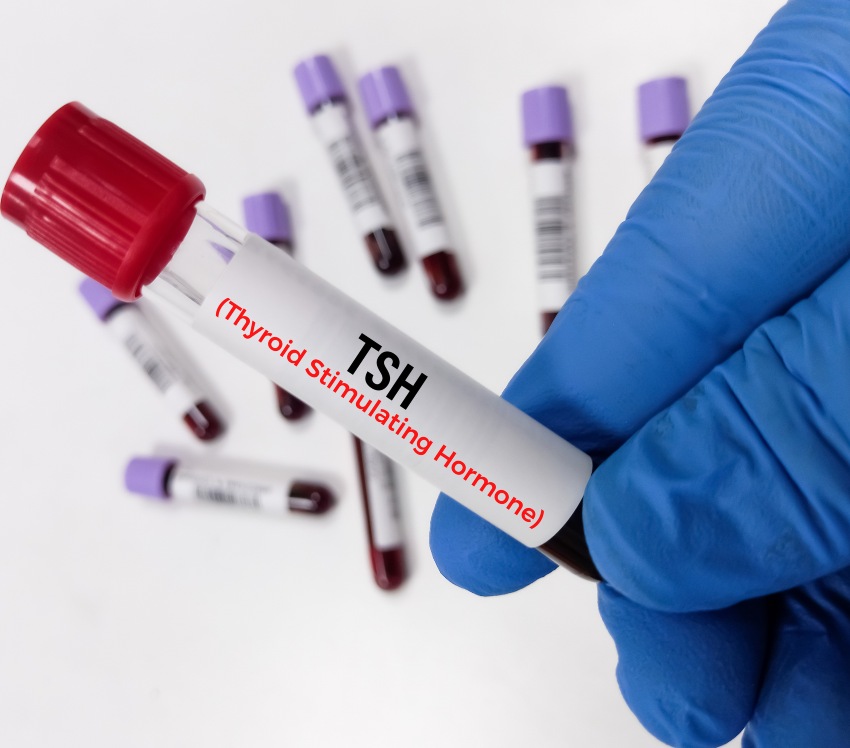
Understanding Elevated TSH
The pituitary gland in your brain produces thyroid-stimulating hormones (TSH). Its primary job is to tell your thyroid gland to produce hormones like thyroxine (T4) and triiodothyronine (T3), which regulate metabolism, energy, and mood. When your thyroid isn’t producing enough hormones, the pituitary gland works overtime, pumping out more TSH to stimulate the thyroid. This results in elevated TSH levels in your blood work. Conversely, if the thyroid is overactive, TSH levels typically drop. The normal range for thyroid-stimulating hormones can vary slightly between labs, but it is generally considered to be 0.4-4.0 mIU/L. However, many functional medicine practitioners argue that the optimal range is narrower—often between 1.0 and 2.5 mIU/L—to ensure you feel your best, rather than just falling within “normal” limits.
What Are the Common Reasons for Elevated TSH?
Understanding the cause of elevated thyroid-stimulating hormone levels is critical for effective treatment. It isn’t always a simple case of a “broken” thyroid. Several factors can disrupt the delicate feedback loop between your brain and your thyroid gland. Some of the most frequent contributors include:
- Hashimoto’s Thyroiditis: An autoimmune condition where the immune system attacks thyroid tissue, leading to inflammation and reduced hormone production.
- Nutrient Deficiencies: The thyroid requires specific nutrients, such as iodine, selenium, zinc, and iron, to function correctly. A lack of these can hinder hormone synthesis.
- Chronic Stress: High cortisol levels from prolonged stress can suppress pituitary function and interfere with the conversion of T4 to the active T3 hormone.
- Gut Health Issues: Conditions like leaky gut or dysbiosis can trigger autoimmune responses and impair nutrient absorption, both of which are necessary for thyroid health.
- Medications: Certain drugs, including lithium and some heart medications, can interfere with thyroid function.
How Functional Medicine Assesses Elevated TSH
In conventional medicine, a TSH test is often the only screening tool used. If TSH is high, medication is prescribed. In functional medicine, we view TSH as just one piece of the puzzle. Relying solely on TSH can miss critical information about how your thyroid hormones are actually functioning in your body. We perform a comprehensive thyroid panel that goes beyond the basic thyroid-stimulating hormone test. This often includes measuring Free T4, Free T3, Reverse T3, and thyroid antibodies (TPO and TgAb). This extensive testing helps us determine if the issue is production, conversion, autoimmunity, or cellular resistance. By seeing the whole picture, we can create a more targeted and effective treatment plan.
Functional Medicine’s Approach to Elevated TSH
Our goal is not just to lower TSH levels but to restore optimal function throughout the body. We address the root causes identified in our comprehensive assessment. Our approach typically involves:
- Dietary Modifications: Eliminating inflammatory foods like gluten, dairy, and processed sugars can significantly reduce thyroid inflammation, especially in cases of Hashimoto’s.
- Gut Healing: We focus on repairing the gut lining and balancing the microbiome to calm the immune system and improve nutrient absorption.
- Stress Management: Techniques to regulate cortisol levels, such as mindfulness, adaptogenic herbs, and lifestyle changes, are essential for thyroid recovery.
- Targeted Supplementation: We use high-quality supplements to correct deficiencies in selenium, zinc, vitamin D, and B vitamins, supporting natural hormone production and conversion.
Advanced Strategies for Supporting Thyroid Function
Beyond the basics, we use advanced strategies to fine-tune your health. Because the thyroid is sensitive to environmental toxins, we may investigate exposure to heavy metals or endocrine disruptors found in plastics and personal care products. Detoxification support can be a crucial step in lowering elevated TSH levels for some patients. We also look at the interplay between the thyroid and other hormonal systems. For instance, insulin resistance and estrogen dominance can both negatively impact thyroid function. Balancing blood sugar and other sex hormones creates a more favorable environment for your thyroid to thrive. Other strategies include:
- Low-Level Laser Therapy (LLLT): Emerging research suggests red light therapy can help reduce thyroid antibodies and improve function.
- Optimizing Sleep: Deep, restorative sleep is vital for hormonal balance and immune regulation.
- Exercise Tailoring: While movement is good, excessively high-intensity training can stress an already struggling thyroid. We help find the right balance of activity for your body.
Why Choose Us?
Navigating thyroid health can be complex and frustrating. You might be told your labs are “normal” even though you feel unwell. At Advanced Functional Medicine, we listen to your story and validate your symptoms. Here is why patients in San Diego and beyond trust us with their thyroid health:
- Personalized Care: We treat the person, not the paper. Your protocol is unique to your biology and lifestyle.
- Comprehensive Testing: We dig deeper than standard screenings to find the actual root cause.
- Holistic Solutions: We combine the best of modern science with natural therapies for sustainable healing.
- Experienced Practitioners: Our team is highly trained in functional endocrinology and autoimmune conditions.
Take Control of Your Thyroid Health
If you are tired of struggling with fatigue, weight gain, and the frustration of unexplained symptoms, it is time for a different approach. Elevated TSH is a signal from your body that something needs attention. Don’t just silence the alarm. Address the fire. Contact us today to schedule your consultation. Let us help you uncover the root cause of your thyroid issues and guide you back to vibrant health.
Frequently Asked Questions
We value your needs, which is why we have provided a list of frequently asked questions to address your concerns.
TSH stimulates the thyroid gland to produce T4 and T3, which regulate your body’s metabolic rate, heart function, digestive function, muscle control, brain development, and bone maintenance.
Yes, chronic stress raises cortisol, which can disrupt the communication between the brain and the thyroid, potentially leading to imbalances in TSH and thyroid hormones.
Not necessarily. While medication is necessary for some, many people can improve their levels through diet, lifestyle changes, and addressing underlying issues like nutrient deficiencies and gut health. It’s always best to ask your provider for the best plan of action.
If you are managing a thyroid condition, testing is usually recommended every 6 to 12 weeks until levels stabilize, then every 6 to 12 months. However, your practitioner will determine the best schedule for you.